Newest Post
Nah, begitu sempurnanya mata yang diciptakan Tuhan untuk manusia. Manusia bisa melihat warna-warni dunia dengan jelas. Lalu bagaimana dengan hewan-hewan seperti anjing, kucing, tikus, burung? Berikut adalah cara hewan melihat sekitar dan warna yang dapat diserap oleh penglihatan mereka yang dibandingkan dengan penglihatan manusia.


Tag :// Just Posted
Pernah mengalami situasi yang secara sadar kamu mengenal betul situasi itu, dan yakin telah kamu lalui sebelumnya? Atau mungkin mengalami suatu situasi saat kamu bisa menebak apa yang akan terjadi selanjutnya dan kemudian hal itu benar-benar terjadi seperti yang kamu rasakan karena telah kamu lalui sebelumnya? Jika kamu pernah mengalami hal-hal tersebut, itulah yang dinamakan Deja vu.


Apakah Deja vu itu?
Deja vu, diambil dari Bahasa Perancis, adalah suatu perasaan ketika seseorang mengalami sesuatu yang pernah terjadi sebelumnya. Singkatnya, deja vu berarti, "pernah mengalami."
Deja vu merupakan peristiwa di mana seseorang merasa yakin telah mengalami situasi baru sebelumnya. Selama mengalami sebuah situasi baru, seseorang merasakan suatu kesamaan dengan sesuatu yang dialami di masa lalu. Seseorang merasa telah melalui hal yang sama baru saja terjadi di masa lalu atau telah melihat hal itu dalam mimpinya.
Istilah Deja vu ini pertama kali diperkenalkan oleh Emile Boirac yang merupakan seorang peneliti di bidang psikologi berkebangsaan Perancis. Kebanyakan mereka yang mengalami Deja vu mengklaim telah melihat sesatu dalam mimpi mereka atau sangat yakin telah melihat itu beberapa waktu yang lalu.
Sekelompok orang mengasosiasikannya dengan gangguan pada otak sedangkan lainnya menghubungkan Deja vu dengan kehidupan lain di masa lalu. Apa sih sebenarnya Deja vu ini? Mari kita telusuri bersama.
Deja vu merupakan peristiwa di mana seseorang merasa yakin telah mengalami situasi baru sebelumnya. Selama mengalami sebuah situasi baru, seseorang merasakan suatu kesamaan dengan sesuatu yang dialami di masa lalu. Seseorang merasa telah melalui hal yang sama baru saja terjadi di masa lalu atau telah melihat hal itu dalam mimpinya.
Istilah Deja vu ini pertama kali diperkenalkan oleh Emile Boirac yang merupakan seorang peneliti di bidang psikologi berkebangsaan Perancis. Kebanyakan mereka yang mengalami Deja vu mengklaim telah melihat sesatu dalam mimpi mereka atau sangat yakin telah melihat itu beberapa waktu yang lalu.
Sekelompok orang mengasosiasikannya dengan gangguan pada otak sedangkan lainnya menghubungkan Deja vu dengan kehidupan lain di masa lalu. Apa sih sebenarnya Deja vu ini? Mari kita telusuri bersama.
Beberapa Jenis Deja vu
Deja Senti: perasaan ini merujuk pada sesuatu "yang sudah dirasakan". Hal itu merupakan fenomena kejiwaan dan para peneliti meyakini bahwa sesuatu yang telah dirasakan di masa lalu itu sangat mirip dengan yang dirasakan saat ini. Kesamaan pada kedua pengalaman tersebut membuat seseorang merasa bahwa dia telah merasakan hal yang sama di masa lalu.
Deja Vecu: suatu perasaan bahwasanya segala sesuatu yang sedang terjadi baru saja itu identik dengan apa yang terjadi sebelumnya serta satu gagasan tidak wajar tentang apa yang akan terjadi berikutnya. Diterminologikan sebagai Deja vecu. Seseorang yang mengalami perasaan Deja vecu mengklaim telah mengetahui apa yang sedikit lagi akan terjadi dan kadang kala merasa telah mengingat hal tersebut.
Deja Visite: bentuk Deja vu ini merupakan suatu perasaan pernah mengunjungi suatu tempat yang benar-benar baru. Seseorang yang mengalami bentuk Deja vu ini mengklaim memiliki pengetahuan tentang sebuah tempat yang belum dikunjungi. Seseorang mengklaim mengetahui letak geografi suatu tempat, ketika dia belum pernah ke sana dalam kenyataannya.
Para peneliti telah lama mencari berbagai sebab di balik Deja vu. Mereka mengasosiasikan penyakit-penyakit seperti schizophrenia, kegelisahan atau gangguan neurologi lainnya. Para peneliti belum mencapai kesuksesan dalam membangun hubungan antara penyakit-penyakit tersebut dengan Deja vu.
Namun, para peneliti telah menemukan bahwa Deja vu bisa saja merupakan hasil dari kegagalan sistem kelistrikan otak. Deja vu dipercaya sebagai suatu sensasi yang salah pada ingatan atau memori.
Beberapa obat-obatan juga dipercaya sebaga salah satu faktor yang memicu Deja vu. Obat-obatan seperti amantadine dan phenylpropanolamine telah diteliti sebagai penyebab perasaan Deja vu. Beberapa obat-obatan bisa menyebabkan aksi hyperdopaminergic pada area mesial temporal otak yang menyebabkan Deja vu.
Deja Vecu: suatu perasaan bahwasanya segala sesuatu yang sedang terjadi baru saja itu identik dengan apa yang terjadi sebelumnya serta satu gagasan tidak wajar tentang apa yang akan terjadi berikutnya. Diterminologikan sebagai Deja vecu. Seseorang yang mengalami perasaan Deja vecu mengklaim telah mengetahui apa yang sedikit lagi akan terjadi dan kadang kala merasa telah mengingat hal tersebut.
Deja Visite: bentuk Deja vu ini merupakan suatu perasaan pernah mengunjungi suatu tempat yang benar-benar baru. Seseorang yang mengalami bentuk Deja vu ini mengklaim memiliki pengetahuan tentang sebuah tempat yang belum dikunjungi. Seseorang mengklaim mengetahui letak geografi suatu tempat, ketika dia belum pernah ke sana dalam kenyataannya.
Para peneliti telah lama mencari berbagai sebab di balik Deja vu. Mereka mengasosiasikan penyakit-penyakit seperti schizophrenia, kegelisahan atau gangguan neurologi lainnya. Para peneliti belum mencapai kesuksesan dalam membangun hubungan antara penyakit-penyakit tersebut dengan Deja vu.
Namun, para peneliti telah menemukan bahwa Deja vu bisa saja merupakan hasil dari kegagalan sistem kelistrikan otak. Deja vu dipercaya sebagai suatu sensasi yang salah pada ingatan atau memori.
Beberapa obat-obatan juga dipercaya sebaga salah satu faktor yang memicu Deja vu. Obat-obatan seperti amantadine dan phenylpropanolamine telah diteliti sebagai penyebab perasaan Deja vu. Beberapa obat-obatan bisa menyebabkan aksi hyperdopaminergic pada area mesial temporal otak yang menyebabkan Deja vu.
Deja Vu dalam lab
Baru-baru ini, sebuah eksperimen pada tikus mungkin dapat memberi pencerahan baru mengenai asal-usul deja vu yang sebenarnya.
Susumu Tonegawa, seorang neuroscientist MIT, membiakkan sejumlah tikus yang tidak memiliki dentate gyrus, sebuah bagian kecil dari hippocampus, yang berfungsi normal. Bagian ini sebelumnya diketahui terkait dengan ingatan episodik, yaitu ingatan mengenai pengalaman pribadi kita.
Ketika menjumpai sebuah situasi, dentate gyrus akan mencatat tanda-tanda visual, audio, bau, waktu, dan tanda-tanda lainnya dari panca indra untuk dicocokkan dengan ingatan episodik kita. Jika tidak ada yang cocok, situasi ini akan ‘didaftarkan’ sebagai pengalaman baru dan dicatat untuk pembandingan di masa depan.
Menurut Tonegawa, tikus normal mempunyai kemampuan yang sama seperti manusia dalam mencocokkan persamaan dan perbedaan antara beberapa situasi.
Menurut Tonegawa, tikus normal mempunyai kemampuan yang sama seperti manusia dalam mencocokkan persamaan dan perbedaan antara beberapa situasi.
Namun, seperti yang telah diduga, tikus-tikus yang dentate gyrus-nya tidak berfungsi normal kemudian mengalami kesulitan dalam membedakan dua situasi yang serupa tapi tak sama. Hal ini, tambahnya, dapat menjelaskan mengapa pengalaman akan deja vu meningkat seiring bertambahnya usia atau munculnya penyakit-penyakit degeneratif seperti Alzheimer: kehilangan atau rusaknya sel-sel pada dentate gyrus akibat kedua hal tersebut membuat kita sulit menentukan apakah sesuatu ‘baru’ atau ‘lama’.

Otak manusia merupakan organ yang kompleks dan sangat menarik. Sudah merupakan kecenderungan, bahwa otak untuk menarik kesimpulan dari berbagai situasi yang berbeda. Otak seringkali mencoba untuk bereksperimen mereproduksi suatu situasi yang belum pernah dihadapi sebelumnya. Oleh karena itu antisipasi beberapa kejadian oleh seseorang bisa membuat orang tersebut berpikir bahwa dia telah mengalami suatu kejadian yang sama di masa lalu.
Yang menarik di sini, bisa saja terjadi bahwa salah satu dari mata kita melihat sesuatu sebelum mata yang lain. Satu mata merekam kejadian sebelumnya. Mata yang lainnya, yang merekam kejadian yang sama beberapa milidetik kemudian, membuat otak merasakan ingatan.
Salah satu mata merasakan sesuatu dan otak mengartikannya. Mata lain yang tertinggal beberapa milidetik merasakan hal yang sama dan mengirim gambar tersebut ke otak. Begitu otak merasakan hal yang sama beberapa milidetik kemudian, orang tersebut merasa bahwa dia telah melihat itu sebelumnya. Namun gagasan ilmiah ini tidak dapat menjadi alasan tepat untuk Deja vu karena orang yang hanya memiliki satu mata juga mengalami Deja vu.
Pada akhirnya, deja vu masih jadi misteri ilmu pengetahuan. Beberapa teori terkait dengan Deja vu pada kemampuan fisik tertentu yang dimiliki manusia. Di lain pihak, orang lain mengatakan bahwa perasaan Deja vu merupakan hasil dari kehidupan lain di masa lalu.
Tag :// Just Posted
Elysia chlorotica
Half Plant Half Animal

by :
Name : Ridlo Firmansyah
NIM : 130210103078
Study Program : Biology Education
BIOLOGY EDUCATION
FACULTY OF TEACHER TRAINING AND EDUCATION
JEMBER UNIVERSITY
2013

Geographic Range
Elysia chlorotica, commonly known as the eastern emerald elysia, is found along the eastern coast of the United States, as far north as Nova Scotia, Canada and as south as southern Florida (Rumpho, et al., 2011)
Habitat
Elysia chlorotica is found in salt and tidal marshes, shallow creeks, and pools with depths of less than 0.5 m. The eastern sea slug is the most euryhaline osmoconformer known to date. The slug can survive salinity levels ranging from nearly fresh water (~24 mosm) to brackish salt water (~2422 mosm). Elysia chlorotica is generally found close to its main food source, Vaucheria litorea, an intertidal alga. The slug has an obligate relationship with the alga for both nutrients and physical development (Green, et al., 2000).
Physical Description
Elysia chlorotica has two main life stages: a juvenile stage which is defined as the time before the slug begins feeding on V. litorea, and an adult stage. The stages of development are distinguishable based on the slug’s morphology and coloring. The slugs start as veliger larva, meaning they are equipped with a shell and ciliated vellum used for swimming and obtaining food. After metamorphosing to juveniles, the slugs are normally brown with ventrally-located spots of red pigmentation. Elysia chlorotica only undergoes metamorphosis into the adult phase after exposure to and consumption of V. litorea, at which time its coloring and morphology also change. After the initial feeding, E. Chlorotica sequesters chloroplasts obtained from the plant into its specialized digestive tract. The presence of the chloroplasts turns the slug from brown to bright green. Most adults lose the red spots. The green color persists only as long as the slug has functional chloroplasts in its cells. When the chloroplasts are expelled, the slug loses its bright green color and reverts to a gray color. Adults normally range in size from 20 to 30 mm but specimens of up to 60 mm have been documented. The eastern emerald elsyia obtains its name from its adult structure. Elysid refers to the adult slug’s leaf-like shape which is caused by two large lateral parapodia on either side of its body. This morphology is beneficial as both camouflage and allowing the slug to be more efficient at photosynthesis. Other members of this family are distinguished by their parapodia in addition to bright coloring (Colin, 1978).

Development
The blastula of a developing Elysia chlorotica egg is holoblastic and spiral, meaning the eggs completely divide. At division, each plane is at an oblique angle to the animal's vegetal axis. Cells produce multiple tiers of cells with no clear center; this is referred to as a stereoblastula. Movements of cells occur by a process referred to as epiboly. Epiboly means that during development the ectoderm cells spread out to cover both the mesoderm and endoderm cell layers.
Elysia chlorotica has a veliger, juvenile, and adult stage of life. As a veliger larva, E. chlorotica has a shell and ciliated vellum, a common feature among a sea slug's developmental cycle. During the larval stage these cilia help the larva to swim in its aquatic environment. Coloration in the larva is different due to the lack of retained chloroplasts in their diverticula. Diverticula are essentially openings along the digestive tract that result in small pocket in which an animal can store food, or in this case stolen chloroplasts. Veligers will metamorphose into juveniles in one to two days after exposure to V. litorea. After 14 days of exposure to V. litorea and an additional two days of constant contact with this plant, E. chlorotica metamorphoses into the adult leaf-shaped sea slug. The adult sea slug is bright green in color due to chloroplast cells that have been sequestered into the complex diverticula of the animal. Adults die shortly after they lay their string of eggs. Researcher Sidney Pierce suggests mass death is due to the expression of an unknown retro acting virus (Schmitt, et al., 2007)

Reproduction
In a similar species, the mating behaviors of Elysia chlorotica are dependent on the responses generated by the potential partner. These slugs will approach each other head to head and feel the other’s head with their own. Then, one (no way of telling how they decide which begins to move) will proceed downward moving their head down along the other slug’s body. If the partner accepts the invitation to mate the slugs will align head to tail. When the proper alignment is established, mating begins where both slugs insert their penes into the other’s genital area. Sexually reproducing hermaphrodites may act only as female or male. Sperm are less costly than eggs, so functioning as a male may be more desirable energetically. Many species of sea slugs within the clade Sacoglossa practice hypodermic insemination, in which the sperm of one slug is injected directly into the surface of another slug. They penetrate directly into the mate’s body in the general area of the others gonads and release the sperm directly inside their partner. These slugs are simultaneous hermaphrodites, capable of internal self-fertilization, although this particular species more commonly outcrosses. Out-crossing is essential sexual reproduction with another individual. Eggs are laid in long mucous-laden strings, hatching approximately in a week. The eastern emerald elysia breeds once a year in the early spring (Rumpho, et al., 2011).
Lifespan
Elysia chlorotica lives to be approximately 11 months old. Adults experience mass death after laying their string of eggs in the spring of each year both in the wild and when held in captivity. According to research done by Pierce this may be due to a viral expression not a biological clock. That means that although this death is synchronized among all adults it is due to the final stage of a disease that every slug inherits not an internal biological cue. (Pierce et al. 1984).

Food Habits
Elysia chlorotica is a kleptoplastic member of the clade Sacoglossa, which are sap sucking sea slugs. This species feeds exclusively on V. litorea, and rarely feed upon Vaucheria compacta. The slug has an obligate relationship with its food source, requiring it for metamorphosis from the veliger to juvenile to the adult stage. As an adult, E. chlorotica obtains nutrients by consuming chloroplast cells from the alga. Elysia chlorotica removes the chloroplast cells from the plant by projecting its radula, a scraping structure into the alga’s cell walls, and then sucking out the contents of V. litorea cells. The contents of these cells pass through the slug’s highly specialized digestive tract. Over time the chloroplast cells are sequestered into the diverticula of the slug’s digestive system, causing it to turn bright green. After the digestive tract projects green coloration, E. chlorotica is fully capable of photosynthesis for up to 10 months. Due to the slug’s photosynthetic nature, this species can often be found “sun bathing”, or laying with their parapodia extended to obtain maximum sunlight exposure (Brandly, 1984).
Special Unique
Elysia chlorotica is a “solar-powered” marine sea slug that sequesters and retains photosynthetically active chloroplasts from the algae it eats and, remarkably, has incorporated algal genes into its own genetic code. It is emerald green in color often with small red or white markings, has a slender shape typical of members of its genus, and parapodia (lateral "wings") that fold over its body in life. This sea slug is unique among animals to possess photosynthesis-specific genes and is an extraordinary example of symbiosis between an alga and mollusc, plant and animal as well as a genetic chimera of these two organisms.
To obtain algal chloroplasts Elysia chlorotica slugs use their radula (tooth) to pierce a filament of the alga Vaucheria litorea and suck out its contents. The ingested algal cytoplasm and nuclei move through the gut but algal chloroplasts are trapped and concentrated in vacuoles along branches of the digestive tract. While inside an algal cell, functional chloroplasts use proteins encoded by their own genes as well as others encoded by genes within the algal nucleus. Within a sea slug, however, isolated chloroplasts can not receive proteins from the algal genome. Remarkably, these chloroplasts remain functional anyway because the slug genome includes the algal genes necessary for plastid function. Elysia chlorotica probably gained these algal genes through lateral (or horizontal) gene transfer. One possible vector is a virus that infects the sea slug and carried pieces of algal DNA. So, that’s why this animals has the ability to does a photosynthesis processes and make a plant cell continue functioned on an animal cells (Pierce et al., 2003).

References
Brandly, B. 1984. Aspects of the ecology and physiology of Elysia cf. furvacuda (Mollusca: Sacoglossa). Bulletin of Marine Science, 34/2: 207-219
Colin, P. 1978. Marine Invertebrates And Plants of the Living Reef. Neptune city: T.F.H Publications
Green, B., W. Li, J. Manhart, T. Fox, E. Summer, R. Kennedy, S. Pierce, M. Rumpho. 2000. Mollusc-algal chloroplast endosymbiosis. Photosynthesis, thylakoid protein maintenance, and chloroplast gene expression continue for many months in the absence of the algal nucleus. Plant Physiology, 124/1: 331-342
Pierce, S., T. Maugel, M. Rumpho, J. Hanten, W. Mondy. 2003. Annual viral expression in a sea slug population: Life cycle control and symbiotic chloroplast maintenance. The Biological Bulletin, 197/6: 1-6
Rumpho, M., K. Pelletreau, A. Moustafa, D. Bhattacharya. 2011. The making of a photosynthetic animal. The Journal of Experimental Biology, 214/2: 303-311
Schmitt, V., N. Anthes, N. Michiels. 2007. Mating behaviour in the sea slug Elysia timida (Opisthobranchia, Sacoglossa): hypodermic injection, sperm transfer and balanced reciprocity. Frontiers in Zoology, 4/17: 1-9.
Tag :// Tugas Kuliah
Narasumber : Devin Susbandya (120210103067)
About Penerimaan Anggota Baru "Pulang Kampung" 2013
Bagaimana pendapat kakak mengenai PAB tahun ini?
" PAB untuk tahun ini, saya rasa akan dapat berjalan dengan lancar asalkan terbentuk team work yang solid antar panitia dan peserta. Sampai akhir ini situasinya kondusif, dan diharapkan sampai akhir nanti peserta dapat mengikuti instruksi yang diberikan seperti barang bawaan, maupun tugas-tugas lainnya secara lancar"
Apa sih sebenarnya fungsi dan tujuan diadainnya PAB ini?
"Dalam PAB ini, bertujuan untuk membentuk jiwa peserta dalam berorganisasi. Seperti kita tahu, dalam berorganisasi perlu adanya kerja sama, keserasian struktur, sehingga mampu terjun ke masyarakat secara baik, dan mencerminkan bahwa inilah mahasiswa yang sebenarnya.
Mengenai tugas yang diberikan, sebenarnya semua tugas itu bertujuan baik bagi mahasiswa biologi kedepannya. seperti hafalan nama ilmiah, yang akan membantu mahasiswa kelak dalam berbagai percobaan, teori, maupun praktikum. Tugas yang diberikan tidak berat sebenarnya, so santai ajah"
Apa yang kakak harapkan setelah rampungnya serangkaian acara PAB ini?
"Setelah PAB selesai diharapkan Maba mampu menggunakan apa yang telah di dapat selama PAB untuk bekal menghadapi perkuliahan kedepannya. Disiplin bagus, mental kuliah bagus, perilaku seorang pendidik dapat muncul, keakraban antar angkatan terjalin baik, daaan masih banyak hal-hal baik yang kami harapkan kedepannya."
Oke, terima kasih ya kak atas waktunya, sebagai dokumentasi jepret dulu donk, cheeeseeeee :D

Tag :// Just Posted
Venus Flytrap

Dionaea Muscipula adalah nama latin tumbuhan Karnivora yang mengagumkan ini. Masa dahulu, bumi pernah dikuasai tumbuhan pemangsa seperti ini selama ribuan tahun. Inilah tumbuhan ber-inteligensia tinggi yang misterius.
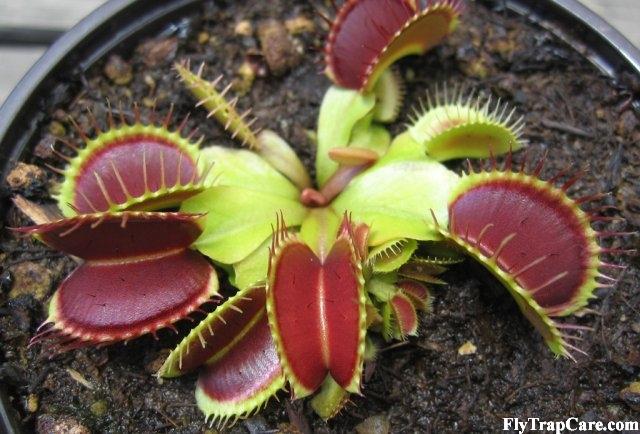
Latar Belakang
Venus Flytrap mulai dipelajari pada abad 17 dan 18. Jika diterjemahkan secara harfiah maka Venus Flytrap berarti Venus Penjerat Serangga, cukup mampu untuk membangkitkan imajinasi seakan akan tumbuhan ini bergerak menangkap lalat, bagaimana jika tumbuhan ini hidup pada masa pra sejarah dan yang ditangkap adalah binatang melata? No way. Nenek moyangnya adalah keluarga Drosera

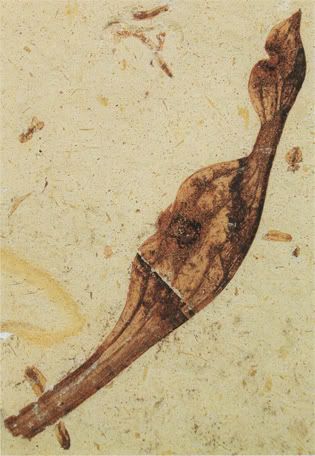

Diseluruh dunia, hanya dikedua tempat diatas yang menjadi tempat populasinya saat ini.
Asal Mula Nama Venus Flaytrap
Kita semua tahu ada ungkapan "Men Are From Mars, Women Are From Venus". Wanita pada masa itu sering digambarkan sebagai penggoda, juga serakah akan kekuasaan .Dan para ahli botani saat itu tampaknya menemukan pararel antara tanaman perangkap (yang menangkap dan mencerna serangga) dan aspek aspek tertentu dari anatomi perempuan. Jadi mereka menamakan tumbuhan ini dengan nama Dewi Venus, The Goddes of Love and Money. Tidak dipungkiri tumbuhan ini sekilas berbentuk seperti alat genital wanita.
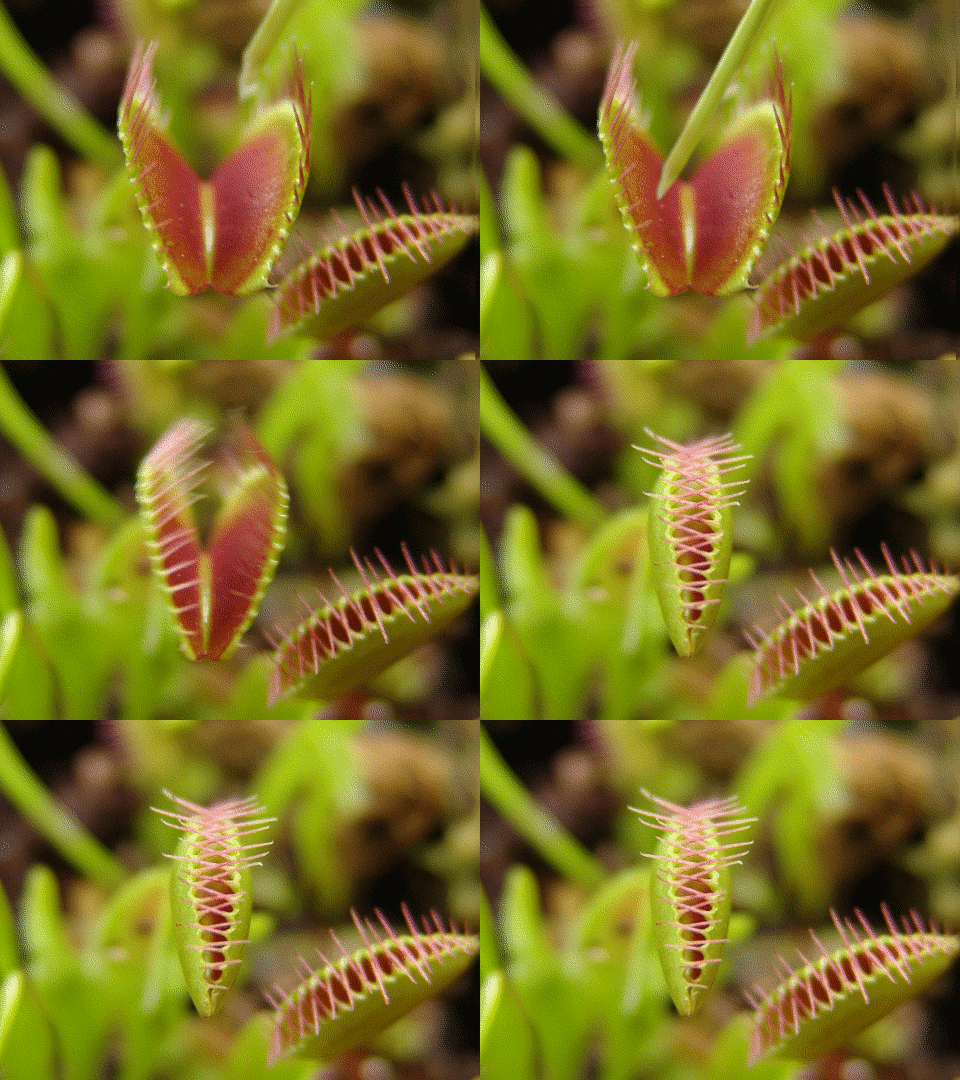
Warna merah pada daun yang cukup menggoda hewan hewan seperti laba laba, belalang, semut dan lalat untuk hinggap dan menyentuh rambut rambut sensor halus yang bertebaran diatas permukaan daun. Ketika rambut sensor ini tersentuh dua kali atau bertambah dekat ujung-ujungnya ,maka sensor mengaktifkan reflek daun dan menutup dengan cepat.
Kenapa Memakan Serangga?
Jika tanaman lain bisa berkembang pada gas di udara ditambah air dari tanah, mengapa Venus Flytraps memakan serangga? tumbuhan ini mendapatkan banyak nutrisi seperti yang dilakukan tanaman lain melalui proses fotosintesis. Selama fotosintesis, tumbuhan menggunakan energi matahari untuk menggerakkan reaksi yang mengubah karbon dioksida dan air untuk mendapatkan gula dan oksigen. Gula yang dihasilkan ini kemudian diubah menjadi energi dalam bentuk ATP(Adenosine Triphospate - penyimpan sumber energi untuk sel-sel tubuh), melalui proses yang sama yang digunakan oleh tubuh kita untuk proses karbohidrat .
Namun, di samping untuk sintesis glukosa, tanaman juga perlu untuk membuat asam amino, vitamin dan komponen sel sel lain untuk bertahan hidup. Untuk mencapai hal ini, tanaman membutuhkan nutrisi tambahan seperti:
- Nitrogen - untuk membuat asam amino , asam nukleat, protein
- Fosfor - sebagai bagian dari energi membawa molekul ATP
- Magnesium - sebagai faktor-pendukung yang banyak membantu fungsi enzim
- Belerang - untuk membuat sedikit asam amino
- Kalsium - sebagai faktor pendukung enzim dan untuk membuat sel dinding tanaman
- Kalium - untuk mengatur pergerakan air masuk dan keluar dari tanaman
Jenis tanah yang selalu ditumbuhi oleh Venus Flytrap adalah tanah yang bersifat asam, langka mineral dan nutrisi lainnya. Kebanyakan tanaman tidak dapat bertahan dalam lingkungan ini karena mereka tidak dapat membuat cukup sel sel yang diperlukan untuk pertumbuhan. Tumbuhan ini memiliki kemampuan yang unik dengan mencari sarana alternatif untuk mendapatkan nutrisi penting seperti nitrogen. Makhluk hidup seperti serangga menyediakan sumber yang baik nutrisi yang hilang dari tanah, dan mereka juga mengandung energi karbohidrat sebagai tambahan.
Dual Fungsi Otomatis
Ketika seekor serangga terjebak dalam daunnya, maka cairan asam akan segera memenuhi dasar daun untuk memproses pengambilan nutrisari yang diperlukan, nah bagaimana jika hanya sebuah ranting kecil yang kebetulan jatuh kedalam jebakan? ternyata daun tidak akan memprosesnya. Dalam 12 jam daun akan membuka kembali dan membiarkan ranting tertiup angin. Namun jika seekor belalang yang terperangkap maka dibutuhkan waktu 5 hingga 6 hari untuk memprosesnya. Unik bukan? Venus Flytrap ini memiliki dua kemampuan yang jarang dimiliki tumbuhan lain, yaitu kemampuan untuk merasai (untuk memilah) hasil jebakannya dan kemampuan otomatis menggerakkan daunnya.
Peruntukan Disain Daun dan Menu Diet
Jika dilihat lebih detail maka tampak sekali bahwa jeruji jeruji kedua daun berjarak agak renggang, kenapa? tumbuhan ini memiliki kriteria ukuran untuk makanannya.

Serangga yang berukuran terlalu kecil dibiarkan dengan mudah meloloskan diri karena sudah tentu serangga yang sangat kecil kurang memenuhi nutrisi yang ia perlukan. Does it think? ya..apakah tumbuhan ini berpikir? tentu saja tidak.

Serangga yang berukuran terlalu kecil dibiarkan dengan mudah meloloskan diri karena sudah tentu serangga yang sangat kecil kurang memenuhi nutrisi yang ia perlukan. Does it think? ya..apakah tumbuhan ini berpikir? tentu saja tidak.
Most carnivorous plants selectively feed on specific prey. This selection is due to the available prey and the type of trap used by the organism. With the Venus Flytrap, prey is limited to beetles, spiders and anthropods. In fact, the Dionaea diet is 33% ants, 30% spiders, 10% beetles, and 10% grasshoppers, with fewer than 5% flying insects. Given that Dionaea evolved from an ancestral form of Drosera (carnivorous plants that use a sticky trap instead of a snap trap) the reason for this evolutionary branching becomes clear. Whilst Drosera consume smaller, aerial insects, Dionaea consume larger terrestrial bugs. From these larger bugs,Dionaea are able to extract more nutrients. This gives Dionaea an evolutionary advantage over their ancestral sticky trap form.
Seperti kebanyakan tumbuhan lainnya, Venus Flytrap juga memiliki bunga dan biji untuk regenerasi.

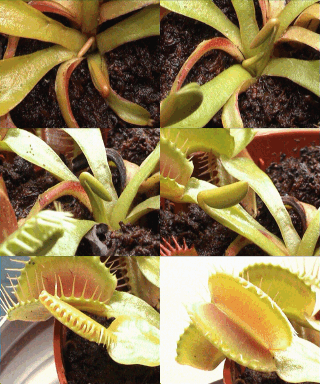
Naskah Misterius Venus Flytrap
Kemampuan tumbuhan pemangsa ini sudah cukup misterius, namun ada satu hal lagi yang berkaitan dengannya dan belum dapat dipecahkan.

Dionaea Muscipula Sawtooth
Catatan tertua tentang moyang tumbuhan ini ada digambarkan dalam Voynich Manuscript

Drosera dalam Voynich Manuskrip
Voynich Manuskrip yang diperkirakan ditulis pada abad 15 - 16 itu sendiri tidak pernah diketahui penulisnya hingga kini. Kalian yang suka naskah naskah kuno pasti paham bahwa Voynich Manuskrip tidak mewakili abjad apapun di dunia ini.

Apa yang ditulis tentang tumbuhan ini dalam manuskrip itu? apakah ada keistimewaan lain tentang asal usul tumbuhan ini? Voynich Manuskrip masih belum terpecahkan.


Tag :// E-ducation
WHITE SHARK
Order - LamniformesFamily - Lamnidae
Genus - Carcharodon
Species - carcharias

The white shark was not always known as Carcharodon carcharias. Since 1758, when it was named Squalus carcharias, this species has been afforded a variety of scientific names, including Carcharias lamnia Rafinesque 1810,Carcharias verus Cloquet 1817, Carcharodon smithii Bonaparte 1838, Carcharodon rondeletii Müller & Henle 1839,Carcharias atwoodi Storer 1848, Carcharias maso Morris 1898, and Carcharodon albimors Whitley 1939. The genus name Carcharodon is derived from the Greek "karcharos" = sharpen and "odous" = teeth. The species name carcharias, also translated from Greek, means point or type of shark, leading to its common name in Australia of the white pointer.
 |
Studies indicate that the white shark and the other genera of its family may have originated in the Paleocene or early Eocene. Fossil registers indicate that, in the late Cretaceous and Paleocene, the lamnid sharks (sharks from the family Lamnidae) were abundant and diverse. The evolution of the white shark also presents various theories. One proposes that it evolved from the megatoothed line of sharks, and another suggests that it evolved from a Miocene mako shark.
Common Name
The white shark, also known as "great white", and "white pointer", is believed to have received its name from the appearance of dead specimens lying on deck, ventral side up with stark white underbelly revealed. Other common English language names are man eater, shark, and white death. Common names in other languages include anequim (Portuguese), devorador de hombres (Spanish), grand requin blanc (French), hohojirozame (Japanese), hvithai (Norwegian), jaquentón blanco (Spanish), kalb bahr (Arabic), kelb il - bahar abjad (Maltese), manzo de mar (Italian), menschenhai (German), niuhi (Hawaiian), peshkagen njeringrenes (Albanian), rechin mancator de oameni (Rumanian), requin blanc (French), sbrillias (Greek), squalo bianco (Italian), tiburón blanco (Spanish), valkohai (Finnish), vithaj (Swedish), weißer hai (German), witdoodshaai (Afrikaans), and zarlacz ludojad (Polish).
Geographical Distribution
The white shark is cosmopolitan but occurs mostly in temperate seas, with large individuals known to penetrate tropical waters. It makes sporadic movements to cold, boreal waters and has been recorded off Alaskan and Canadian coasts. It occurs in the western Atlantic from Newfoundland to Florida, the northern Gulf of Mexico, the Bahamas and Cuba as well from Brazil to Argentina and in the eastern Atlantic from France to South Africa, including the Mediterranean. In the Indian Ocean, it occurs in the Red Sea, off South Africa and the Seychelles Islands, as well as Reunion and Mauritius. In the western Pacific, it ranges from Siberia to New Zealand and the Marshall Islands, off the Hawaiian Islands in the central Pacific and from Alaska to the Gulf of California and Panama to Chile in the eastern Pacific.
 |
Habitat
The white shark is principally an epipelagic (living in the upper part of the water column) dweller of neritic (nearshore) waters. However, it ranges from the surfline to well offshore and from the surface and to depths over 250 m (775 ft). This shark commonly patrols small coastal archipelagos inhabited by pinnipeds (seal, sea lions and walruses), offshore reefs, banks and shoals and rocky headlands where deepwater lies close to shore. The white shark usually cruises in a purposeful manner, either just off the bottom or near the surface, but spends very little time at midwater depths.
Biology
- · Distinctive Features
- · Coloration
- Dorsal surface blue-grey to grey-brown, often bronzy. Ventral surface is white. Boundary between these tones is generally abrupt. Small, irregular dark spots may be present on the flanks posterior to the last gill slit. Most specimens exhibit a black oval blotch in the axil of the pectoral fin.
Juvenile male white shark showing coloration
© George Burgess - · Dentition
- Teeth large, erect, triangular and serrated. More slender in lower jaw. In juveniles under 1.8 m (5.5 ft), the teeth have small lateral cusplets and in neonates, the lower teeth may actually lack marginal serration.
Right side upper and lower teeth of the white shark
ex RadCliffe (1916) Bull. Bur. Fish. Circ. 822 - · Dermal Denticles
Denticles minute, tightly packed with three ridges and very flat blades. Skin of the white shark is relatively smooth in comparison with many other species.A Top view of white shark denticles (magnified) and B Side view of a single denticle
ex RadCliffe (1916) Bull. Bur. Fish. Circ. 822
- · Size, Age & Growth
- The maximum size attained by white sharks has been the target of many debates and spurious information. Scientists now suggest that the maximum total length of this species is about 680 cm (22.3 ft). Males mature at about 350 cm (10.5 ft) and females at about 450 cm (14 ft). White sharks are 120-150 cm (47-59 in) in length at birth. Studies have indicated that white sharks live at least 14 years. However, in reality, this number is likely much higher. Growth rates of the white shark are also largely unclear, although one recent study included a tagged specimen that had grown 69 cm (27 in) in a period of 2.6 yrs.
- · Spatial Behavior
- Although information about its movements is limited by the rarity of the white shark, some data has been gathered through tag-and-release programs in the United States, South Africa and Australia. These studies reveal that the white shark is capable of making movements on localized, regional and intercontinental scales. Generally, larger individuals undertake long journeys across the great ocean basins. Observations of two white sharks cruising in open water, apparently not feeding, revealed a strong tendency to ascend and descend slowly and steadily. The white shark is also capable of short, high-speed pursuits and even launching itself clear from the surface. Patterns in movement and abundance within some areas appear to be linked with seasonal variations in surface temperature. However, this may only have a minimal effect on the distribution of the white shark.
- · Food Habits
The white shark is a macropredator, known to be active during the daytime. Its most important prey items are marine mammals (including, seals, sea lions, elephant seals, dolphins) and fishes (including other sharks and rays). Marine reptiles are sporadically ingested, mostly sea turtles. Marine birds and sea otters are almost exclusively rejected as prey. These animals are commonly found having suffered injuries from encounters with white sharks, but are rarely ingested.Predatory behavior is usually divided into five stages; detection, identification, approach, subjugation, and consumption. However, these stages, especially the first and second, are poorly understood in white sharks. The patterns of prey detection and identification in white sharks have been investigated by the use of experimental targets, baits, and other objects in which they are "offered" to the sharks. The results of these experiments reveal that when white sharks have a choice between a square target and a fusiform, seal-shaped target, they select the shape that is more common in their natural environment. Indeed, the choice made in nature is usually whether to respond to a single potential prey item rather than choosing between two of them. When only a single object was presented, it was invariably investigated. Some scientists believe diver and surfer silhouettes, when viewed from below, resemble those of pinnipeds and that this misidentification on behalf of the shark is the cause of most white shark attacks on humans. However, the fact that white sharks attack inanimate objects of a variety of shapes, colors and sizes, none of which resemble those of a marine mammal, refute the well-known hypothesis of "mistaken identity". Researchers suggest that white sharks often strike unfamiliar objects to determine their potential as food. In this case, it would seem that grasping an unfamiliar object would be the shark's only reliable method of determining palatability.In most areas where white sharks occur, pinnipeds such as these California sea lions (Zalophus californianus), make up the bulk of the white shark's diet
© D. A. Sutton, Amer. Soc. Mammalogists Library
Based on underwater observations, scientists described some approach patterns. Most sharks used an "underwater approach" in which the shark swam just below the surface until it was approximately 1 m (3.3 ft) from its intended prey and then attacked by deflecting the head upward and emerging out of the water. The white shark also presented a "surface-charge" which consisted of a rapid rush with the body partially above the surface. In rare cases, whites performed an "inverted approach" in which they swam with the ventral side up. Although the majority of approaches are horizontally oriented, vertical approaches are nonetheless common. White sharks readily engage in vertical swimming during feeding activities, sometimes swimming perpendicular to the surface in direct and rapid pursuit of floating objects. There are benefits of using the vertical approach to capture prey positioned near the surface. Firstly, a predator attacking from below is more difficult for the prey to see, while at the same time, the shark has a better view of its prey positioned overhead. In addition, fleeing (rapid movement away from an approaching predator) is probably the most common escape tactic used by animals under attack. Considering these situations, extended escape in the direction opposite the vertically approaching shark is virtually impossible. The propensity for vertical swimming was observed in small white sharks approximately 220 cm (86 in) in length. Scientists believe that the development of this behavior precedes physical changes, such as broadening of the teeth, believed to be adaptations for feeding on large marine mammals.
Few hypotheses about the consumption patterns of white sharks have been made based on observations under natural conditions.
One of these hypotheses, the "bite, spit and wait" theory, is composed of three elements. Initially, the white shark seizes its prey and releases it intact; secondly, the shark waits until the prey lapses into a state of shock or bleeds to death; finally, the white shark returns to feed on the dead or dying animal. However, recent studies do not support this hypothesis. Scientists believe that these sharks may not release potential prey to permit them to die but, rather, let them go in response to their defensive behavior or unsuitability as food. Some evidence suggests that white sharks decide a prey's palatability while it is lodged in the shark's mouth. Researchers also believe that white sharks may prefer animals rich in energy, such as marine mammals, in favor of less fatty, energy-poor prey. This is supported by some observations of aggregations of white sharks selectively feeding on the blubber but not the muscle layers of mysticete whales. This behavior seems based upon a size-hierarchy, where large sharks dominate in the feeding.White shark scavenging a dead humpback whale
©Tobey Curtis
A behavior pattern described as "repetitive aerial gaping" was observed in white sharks of southern Australia. The sharks were seen with their heads out of the water, mouths at or above the surface, rolling onto their side and opening and closing their mouth in a moderately slow, rhythmic, partial gape while swimming slowly along the surface. The most notable difference between this behavior and normal surface feeding is that the repetitive aerial gaping is not oriented toward food or possible targets. White sharks also scavenge from fishermen's nets and longlines and take all manners of hooked fish. This propensity often results in their own accidental entrapment.
- · Social Behavior
- Some of the white's swimming modes, such as a cautiously timed turn away between two animals on reciprocal approaching courses, are interpreted as ensuring avoidance of conspecifics and maintenance of individual space. A parallel swim mode, whereby two sharks heading in the same direction at an unfluctuating distance from each other, also seems to be a result of the shark preserving its space from others. When two white sharks attempt to feed on the same prey, it is disadvantageous for one to discourage the other from further feeding by biting it and inflicting a wound. Such an injury might reduce either shark's future ability to catch prey. For this reason, scientists believe that white sharks sometimes use displays in order to discourage other sharks. White sharks have been observed with their caudal fin out of the water and slapping the surface, propelling water usually in the direction of a second shark. The recipient shark probably perceives the sign with its vision, lateral line (related with mechanical stimulation), and sense of hearing. This behavior is called a "tail slap" and is the most common avoidance display shown by white sharks. These sharks also present other types of displays. White sharks have been observed rolling on their sides and directing exaggerated tail beats in one direction, a phenomenon know as "tilting behavior". Sometimes a white shark will position itself between prey and another shark, preventing the second shark from feeding. White sharks have also been known to propel two-thirds of their body out of the water and land flat against the surface, causing a large splash. This behavior is called a "pattern breach" and may represent a similar, but more intense sign than the tail slap. This specific behavior might also be used to help remove external parasites, attract a mate during courtship or may be the result of a vertical charge approach pattern toward a prey item.
- · Reproduction
- White sharks are viviparous (embryos hatching in uteri, with the female giving birth to live young). Embryos are nourished through oophagy (ingestion of unfertilized eggs). While in uteri, the embryonic white sharks swallow their own sets of shedded teeth, perhaps to reutilize calcium and other minerals. Size at birth ranges from 120-150 cm (47-59 in) in total length. It is possible that any one female only reproduces biennually, mating soon after giving birth, but this remains to be confirmed. Gestation time is also unknown, but is thought to be quite long, possibly up to one year. Some bite-marks observed on the dorsum, flanks and particularly the pectoral fins of mature female white sharks have been interpreted as results of mating activity. As in other species of sharks, the male white shark most likely grabs the female during copulation. Some records suggest that parturition occurs in temperate shelf waters during the spring to late summer. Click here for more information on the reproductive strategy of white sharks.
Killer whales: mother and calf
courtesy National Marine Mammal Laboratory - · Predators
- The white shark is an apex predator (atop the food chain) and as such, has very few predators. Killer whales (Orcinus orca) and larger sharks pose the only real threats for an adult white shark. Click here for a first hand account of a killer whale/white shark encounter and here for an interpretation of the encounter.
- · Parasites
- Parasites of the white shark include thePandarus sinuatus and Pandarus smithii. These copepods parasitize the body surface of this shark.


Importance to Humans
 |
Despite its relative sparseness, the white shark's rate of capture by humans is alarmingly high. This is due in part to the increasing monetary value of its jaws and teeth. Entire specimens, some attaining more than 5m in length have been preserved by freezing or taxidermy for permanent public display or as private trophies or curios. Also, the flesh is utilized for human consumption, the skin for leather, the liver for oil, the carcass for fishmeal and the fins for shark-fin soup. Worldwide, specimens are reported annually from gill nets, trammels, herring weirs, purse seines, tuna enclosures as well as surface hooks, bottom longlines and set-lines.
Danger to Humans
The white shark has been credited with more fatal attacks on humans than any other species of shark. This is due primarily to its size, power and feeding behavior .Click here for statistics on white shark attacks on humans.
Conservation
 |
Overall population estimates for this species are unknown and even regional and localized estimates are questionable. It has been proposed that white sharks should be afforded protection for the same reasons as other top carnivores. In addition to being rare, they are important participants in a complicated food web. As with most species of shark, white sharks are slow-growing animals with low productivity and are therefore highly vulnerable to overfishing. Fortunately, the threat of habitat loss appears minimal to white sharks. They are adaptable predators capable of shifting diet as conditions dictate and may simply cease to inhabit an area with little food. The most significant problem in applying definitive measures in favor of the white shark remains the lack of data, such as fecundity, age, growth, and population numbers. Considering the lack of data, it has been proposed that protective measures should be based on a precautionary principle, until more biological information has been collected. Researchers do know that shark populations, including the white shark, will inevitably dwindle unless careful measures are implemented. Some governments, such as those in South Africa, Australia and the United States, have already afforded protection to the white shark. At present, the white shark is listed as "Vulnerable" by the World Conservation Union (IUCN) throughout its range, and is now protected in some regions.
In 2004, the Convention on International Trade in Endangered Species (CITES) placed this shark on its Appendix II list, which demands tighter regulations and requires a series of permits that will control the trade in white shark products.
In 2004, the Convention on International Trade in Endangered Species (CITES) placed this shark on its Appendix II list, which demands tighter regulations and requires a series of permits that will control the trade in white shark products.
Prepared by:
Carol Martins & Craig Knickle
Tag :// E-ducation


